20 Oct 2026
Shifts in Wagering Habits Following the Introduction of Cash-Out Features in Football Betting Platforms
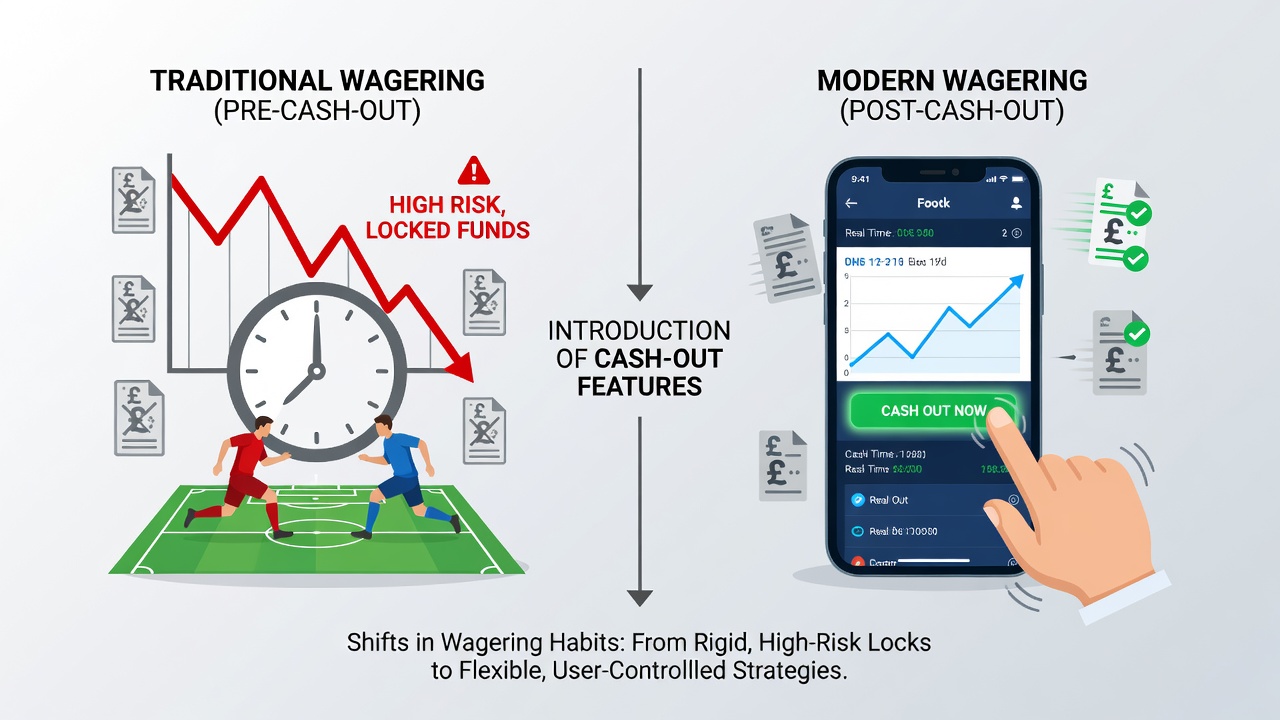
Football betting platforms introduced cash-out features years ago, and data from multiple markets shows clear changes in how people place and manage wagers. Cash-out lets users settle bets early for a partial return, and this option has altered timing, stake sizes, and overall engagement patterns across major leagues. Reports from October 2026 indicate continued growth in these adjustments, with platforms recording higher volumes of in-play activity compared to pre-cash-out eras.
Early Adoption and Platform Changes
Operators rolled out cash-out tools first in European and Asian markets around 2010, then expanded them to football-specific interfaces by 2015. Researchers at institutions tracking gambling trends noted immediate rises in live-bet frequency once the feature appeared. Users began checking odds more often during matches, and many reduced initial stakes to leave room for later decisions. According to figures from the Nevada Gaming Control Board, in-play football wagers in regulated US sportsbooks grew 38 percent between 2018 and 2023 after cash-out became standard.
Measured Adjustments in Bet Timing and Size
People who previously placed single pre-match bets now split activity across multiple smaller live wagers, data shows. Average stake per bet dropped in several tracked datasets, while total number of transactions per user rose. Observers note that bettors often cash out within the first 30 minutes of a match when early goals occur, then re-enter later with adjusted positions. This pattern repeats across Premier League, La Liga, and Bundesliga fixtures, according to aggregated platform reports.
Regional Variations in Usage
Markets in Australia recorded similar shifts after local operators added cash-out buttons in 2017. The Australian Communications and Media Authority published statistics showing a 27 percent increase in live football betting sessions per account holder within two years of rollout. European platforms reported comparable numbers, though session lengths shortened because users monitored and exited positions more quickly. In Canada, provincial data from 2024 highlighted that younger age groups adopted cash-out at higher rates than older cohorts, leading to more fragmented betting timelines during international tournaments.
Effects on Risk Management and Repeat Activity
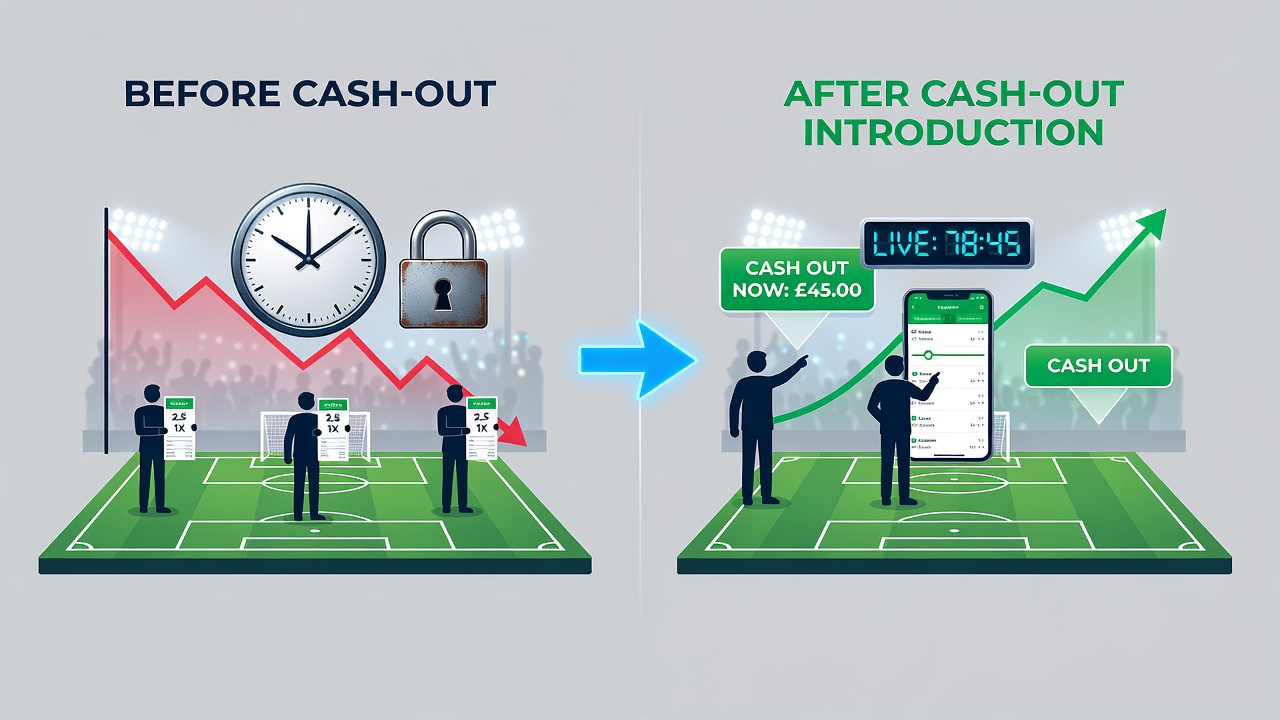
Studies from academic sources indicate that cash-out availability correlates with more frequent position reviews during matches. One analysis of European betting logs found users reviewed open bets an average of 4.2 times per game after the feature launched, versus 1.8 times beforehand. This repeated checking led some platforms to introduce push notifications and quick-cash buttons, further streamlining exits. Data also reveals that partial cash-outs became popular, allowing users to lock in profit on half a stake while leaving the remainder active.
October 2026 updates from industry trackers showed continued refinement of these habits. Football tournaments that year posted record cash-out volumes during knockout stages, with users exiting positions after red cards or penalty decisions at rates 15 percent above the prior season average. Platforms responded by adjusting algorithms to display more granular cash-out values in real time.
Platform Data and Broader Industry Trends
Industry organizations tracking global sports betting compiled reports that link cash-out rollout to higher overall handle in football categories. Total wagers processed during live matches now exceed pre-match totals on many sites, a reversal from patterns observed before 2015. Researchers examining account-level data across multiple operators found that users who cash out regularly maintain longer account lifespans than those who let bets run to completion, though average profit margins per user remained stable.
These patterns hold across different regulatory environments. Markets with strict responsible gambling rules show the same timing shifts as less regulated ones, suggesting the feature itself drives behavioral change rather than external policy alone.
Conclusion
Records from the past decade demonstrate that cash-out features produced measurable changes in football wagering routines. Bettors now engage more during matches, adjust positions repeatedly, and distribute stakes across shorter intervals. Figures released in October 2026 confirm these trends persist and continue to shape platform design and user activity worldwide.